


Goldman Sachs filled its summer 2027 analyst seats in September 2026.
McKinsey closed sophomore applications in March.
Google's STEP program wrapped up recruiting by October.
If you're reading this in spring and hoping to land something for this summer, you've already missed the structured programs at most large employers.
That's the part nobody tells you early enough.
The internship calendar runs 6 to 18 months ahead of the actual start date — and the market has gotten dramatically harder in the last two years.
Handshake's 2025 Internships Index found that the average internship posting now receives 109 applications, up from 43 just two years earlier. Tech roles see 273. And postings themselves dropped 15% between January 2023 and January 2025.
The good news: employers still convert 53% of interns into full-time hires. Therefore, landing an internship remains the single most valuable career move you can make in college.
But knowing how to land an internship in this market requires a different playbook than it did three years ago. You just need to know when to start, where to look, and which strategies actually convert at a rate that makes the effort worth it.
Quick Takeaways
The average internship posting now gets 109 applications, up from 43 two years ago (Handshake)
Tech and finance open applications 6–18 months before start dates; most students start looking too late
Cold outreach converts at 15–25%, versus 1–3% for LinkedIn Easy Apply
Career fair attendees: 45% got an interview, 24% got a job offer (NACE
High school students have real options, but most formal program deadlines fall in January–March
Why is it so hard to get an internship right now?
Postings have dropped 15% since 2023, while applications per posting have nearly tripled. The math broke. AI-assisted mass applying means one student can fire off 200 applications in a weekend. Big Tech's post-2022 hiring contraction cut thousands of intern seats. And recruiting calendars keep creeping earlier, which punishes anyone who starts late.

CNBC called it a "pressure cooker." The Class of 2025 submitted roughly 24% more applications per opening than the class before them.
McKinsey's Summer Business Analyst deadline jumped from mid-July 2025 to March 29, 2026, a four-month acceleration in a single cycle.
The students who win in this environment plan around the calendar, not against it. Knowing when your target industry opens applications matters more than having a perfect resume — and more than having a perfect GPA.
When should you start looking for internships?
Six to eighteen months before the start date, depending on the industry. If you're looking in April for that summer, you're late for most structured programs.

Here's what the timeline looks like year by year.
| Year | Window | Focus | Key programs and deadlines |
|---|---|---|---|
| Freshman | Spring–Summer | Build foundation, not brand names | Forage simulations (free, year-round), Goldman Sachs Possibilities Series, Bank of America Student Leaders (12+ credits required as of 2026), NSF REU sites for research |
| Sophomore | Fall–Spring | Most underrated window in college | JPMorgan Sophomore Edge, Morgan Stanley Early Insights, BCG Bridge to Consulting, Deloitte Discovery, PwC Start, Google STEP, Microsoft Explore. Many convert at 70–90% |
| Junior | Aug–Oct (tech), May–Oct (consulting), Aug (Big 4) | The main event | Amazon opens in Aug; Google mid-Oct; Big 4 accounting in Aug; MBB May–Oct. IB summer analyst seats filled during sophomore spring |
| Senior (no internship) | Year-round | Pivot and fill gaps | Off-cycle internships (Sep–Dec or Jan–May), Parker Dewey micro-internships, semester co-ops, direct full-time applications |
Freshman year
All about building a foundation, not landing a brand-name summer.
Complete two or three Forage virtual experience programs (free 5–8 hour simulations from JPMorgan, BCG, Deloitte), so your resume isn't empty.
Build one project you can talk about in an interview.
Apply to freshman-specific programs: Goldman Sachs Possibilities Series, Bank of America Student Leaders (note: now requires 12+ college credits as of 2026), McKinsey Freshman Diversity Leadership Academy, and NSF REU sites for research.
Sophomore year
The most underrated recruiting window in college.
Diversity and sophomore-only programs exist at nearly every major firm specifically because they want first dibs on talent before junior recruiting starts.
JPMorgan Sophomore Edge, Morgan Stanley Early Insights, BCG Bridge to Consulting, Deloitte Discovery, PwC Start, Google STEP, and Microsoft Explore all target second-year students.
Many convert to full junior internship offers at 70–90% rates.
Junior year
The main event. Tech opens August through October (Amazon went live August 1, 2025; Google opened mid-October). Big 4 accounting (Deloitte, PwC, EY, KPMG) opens in August, which matters if you're trying to get an internship in accounting specifically.
Investment banking summer analyst recruiting now starts 12–18 months early, meaning junior-year IB seats are actually filled during sophomore spring.
MBB consulting runs from May through October. If you're a rising junior reading this in April, you should already be deep in the cycle.
Senior year
Focus on off-cycle positions (September through December or January through May), Parker Dewey micro-internships, semester-long co-ops for credit, and pivoting directly to full-time applications.
How do you find internships that are actually worth applying to?
The six best places to find internships in 2026 are Handshake, LinkedIn (for alumni networking, not Easy Apply), GitHub aggregator repos, company career pages directly, college career fairs, and industry-specific job boards. Skip mass-applying on Indeed and Glassdoor, where roughly one in five postings are ghost jobs with no real intent to hire. The students who land interviews fastest work a target list of 15–20 companies and check multiple channels weekly.

Handshake connects over 1,500 universities directly to employers posting specifically for students. Apply within 48 hours of a posting going live.
Complete your profile to 100% (recruiters filter on it). Favorite target employers, so you show up in their "interested students" view.
LinkedIn matters more for networking than for cold applying.
Easy Apply response rates run 1–3%. The real value is alumni search: filter "People → Your School → [Company Name]" and message graduates from your school directly. Alumni reply rates run around 60%, versus 3–10% for strangers.
GitHub aggregator repos are essential for CS students. SimplifyJobs' Summer 2026 list has 44,000+ stars and updates daily with direct application links, bypassing the ATS noise on job boards.
Company career pages directly.
This is the move most students skip. If you have got 15–20 target companies, checking their careers pages weekly takes 30 minutes and gets you in before the listing hits Handshake two weeks later.
Career fairs still work if you prepare.
NACE's 2024 survey found 45% of career-fair attendees received an interview offer and 24% landed a job. The key: follow up within 24 hours with a personalized LinkedIn connection request.
Skip or de-prioritize Indeed and Glassdoor for applying.
A CUNY analysis estimated roughly 21% of postings are ghost jobs with no real intent to hire. Use Glassdoor for salary research and interview reviews. Chegg Internships shut down in December 2023.
How do you get an internship with no experience?
Build proof of work before anyone asks for it. Two strong self-directed projects beat a blank resume with a 3.8 GPA.
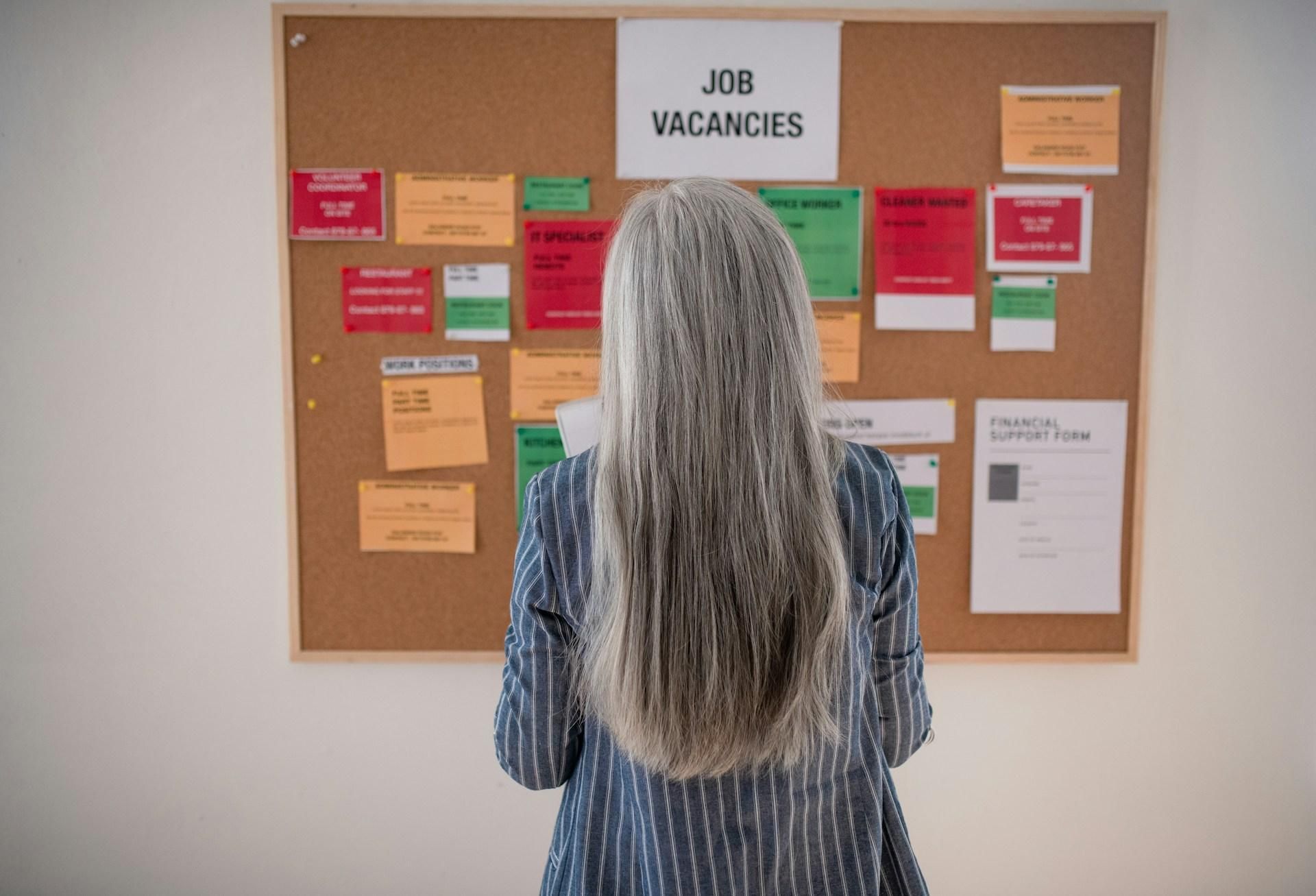
The "no experience" trap is a confidence problem disguised as a credentials problem. You don't need a previous internship to get your first one. You need evidence that you can do the work. Here's where to start.
Build projects you can show
A GitHub repo that solves a real problem beats "Proficient in Python" on a resume. A mock DCF model and stock pitch beats "Interested in finance."
A Behance case study beats "Creative thinker." Put these in a dedicated "Projects" section on your resume. For tech, place it above work experience.
Complete virtual programs
Forage virtual programs are now mainstream enough that Yale, USC, UPenn, and Berkeley career centers officially recommend them. They're free, self-paced simulations from real companies (JPMorgan, BCG, Deloitte, and others). List them under "Certifications" or "Activities," not "Work Experience."
Email professors
University researchers constantly hire undergrads with no experience. Send 5–10 emails to professors whose work interests you, reference a specific paper, and offer to help with literature reviews or data cleaning.
This is the highest-return move for pre-med, biology, psych, and engineering students.
Take a micro-internship
Parker Dewey micro-internships are paid, 5–40 hours, with real companies. They don't replace a full internship, but they put a real employer reference on your resume where "no experience" used to be.
Stack a free certification
Google Career Certificates (IT Support, Data Analytics, Cybersecurity, UX, Project Management) are recognized by 150+ companies, including Deloitte, Target, and Verizon. HubSpot Academy is free for marketing.
These won't replace a portfolio, but they consistently appear in entry-level postings as preferred qualifications.
How do you get an internship in high school?
Yes, but the market is narrower and more rule-bound than college. Most formal programs have January–March deadlines, and federal labor law restricts hours for students under 16.
The FLSA caps 14–15-year-olds at three hours per school day and 18 hours per school week. Students 16 and older face no federal hour limits, but most states require work permits.
Formal programs worth applying to
Deadlines are typically early in the calendar year:
NIH Summer Internship Program: Graduating seniors 18+ at start date, $2,300–$3,000/month, applications close mid-February
NASA OSTEM Internships: Students 16+ with a 3.0 GPA, paid, multiple sessions per year
Smithsonian NMNH Summer High School Internship: Ages 15–18, ~$5,600 stipend, March deadline
Senate Page Program: High school juniors, apply through your home-state senator
Research Science Institute (MIT), Simons Summer Research, Hutton Junior Fisheries Biology Program: All selective and free
The DIY route
Don't sleep on cold emailing local professionals. Reach out to professors at nearby universities, doctors' offices, law firms, vet clinics, and city government offices. Send 30–50 personalized emails and expect a 5–10% response rate.
Hospital volunteer programs are also widely available, with minimum commitments of 50–80 hours.
A note on college admissions
Internships matter less than students think for getting into college. CollegeVine says directly that "there is no expectation by colleges" for high school internships.
They help, but they're mid-tier extracurricular value unless they involve genuine research output or a national-level selective program.
How many internships should you apply to?
It depends entirely on your industry. Tech needs 80–150 applications. Banking needs 30–50 plus heavy networking. Nonprofits and government need 5–15 with thoughtful cover letters.

The reason the advice is so contradictory online is that different industries have wildly different conversion math.
Competitive tech roles: Handshake reported 273 applications per posting in 2024–25. Triple-digit application counts are standard on r/csMajors. Plan for 80–150 applications across a mix: a handful of FAANG long shots, a larger batch of mid-size firms (Stripe, Atlassian, Snowflake), and startups where your odds are materially better.
Investment banking: Volume matters less than networking depth. Plan 30–50 targeted applications paired with 50–100+ alum coffee chats. Goldman's analyst acceptance rate sits near 1%. The application gets you into the pile. The networking gets you pulled out of it.
Consulting, Big 4 accounting, and Fortune 500 corporate programs: 20–40 well-tailored applications, supplemented by career fair attendance and on-campus recruiting, tend to work.
Nonprofit, government, and creative roles: 5–15 careful applications with strong cover letters consistently outperform spray-and-pray. Indeed's own data found that candidates with the highest application volumes were 39% less likely to receive a positive response.
The cleanest framework: shotgun the mid-size backups (companies you'd happily work at but aren't your top picks), sniper the top targets (3–5 dream firms with networked applications and tailored materials), and skip the generic middle.
On the related question of how many internships you should do in college, NACE data show that students who interned averaged 1.61 job offers, compared with 0.77 for non-interners. One strong internship is enough for most majors. Finance and consulting effectively require two. Tech can substitute a serious open-source contribution or side project for an extra internship.
How do you stand out when you apply?
Recruiters spend about 7 seconds on an initial resume screen. The summary line and the first two bullet points under your most recent experience are the only part that matters in the first pass. Adjust those per application. Leave the rest.
Knowing how to apply for an internship is less about having the perfect resume and more about targeting the right 20% of your application. Here's what moves the needle:
Tailor the 7-second zone, not the whole resume. If a data science internship posting mentions Python and SQL, and your resume leads with "Proficient in Java and C++," you've lost the scan before the recruiter reaches your projects section. The summary line and the first two bullets under your most recent experience are what get read first. Match those to the posting. The rest of your resume stays the same.
Match your cover letter strategy to the industry. Banking and consulting read them every time: tailor each one, reference the specific team. Big tech usually marks them optional, and most recruiters skip them. Small companies and nonprofits often use the cover letter as the deciding factor between two similar candidates. The government requires them to be formatted exactly to spec.
Send cold outreach, not just portal applications. A five-sentence template works across industries: (1) subject line names your school and the specific ask, (2) open with who you are and one relevant credential, (3) show you've researched their work, (4) ask for a 15-minute call, (5) attach your resume. Send from your .edu email, Tuesday through Thursday, between 9 and 11 AM recipient time. Follow up once after 5–7 days. About 42% of replies come from the follow-up, not the original email.
Respect the volume math. At a 10% response rate, you need 30 applications to get 3 interviews. At 5%, you need 60. Most students either over-customize every application and burn out after 12, or fire off 200 identical resumes and wonder why nothing converts. The sweet spot is automating the repetitive parts (name, address, education, work history) so your time goes to the work that differentiates you: adjusting the top-of-resume bullets and writing targeted outreach when it'll actually be read.
How Zapply makes the internship search faster
For most students, the bottleneck isn't finding internships. It's the 20–25 hours of data entry standing between you and the 80+ applications the math says you need.
Here's how Zapply cuts that down:
Step 1: Install the extension. Add Zapply to Chrome in about 30 seconds. It's free.
Step 2: Enter your details once. Name, address, education, work history, skills. Zapply stores everything locally in your browser, so you're not starting from scratch every time.
Step 3: Apply and let it autofill. Open any application on Workday, Greenhouse, Lever, or most major ATS systems. Zapply detects the form fields and fills the repetitive ones automatically.
Step 4: Redirect your time. The 15–20 minutes you'd have spent retyping your address and GPA? Spend them on cold outreach emails, post-career-fair follow-ups, and adjusting your resume's top third to match each posting.
Step 5: Browse the Zapply job board. Internship and entry-level listings updated daily, filtered so you're not wading through senior roles you don't qualify for yet.
The bottom line
The students landing internships in 2026 aren't the ones with the best resumes. They're the ones who understood the calendar, applied through the right channels, and built proof of work before anyone asked for it.
If you're a freshman, you have time to build the foundation. If you're a junior in spring with nothing lined up, off-cycle internships, micro-internships, and small-company cold outreach are still open paths. If you're in high school, the formal programs are more accessible than most students realize, as long as you hit the January–March deadlines.
One internship tip matters more than every other: pick your industry, reverse-engineer its calendar, and start this week. Most of your competition is still refreshing Indeed in April.
Download Zapply free and make sure the application grind isn't the thing that stops you.